Roofing is one of the most physically demanding jobs in the construction industry. Roofers spend hours climbing ladders, kneeling on hard surfaces, balancing on steep slopes, and carrying heavy materials. While the work is essential and rewarding, it also places significant stress on the body—especially the knees.
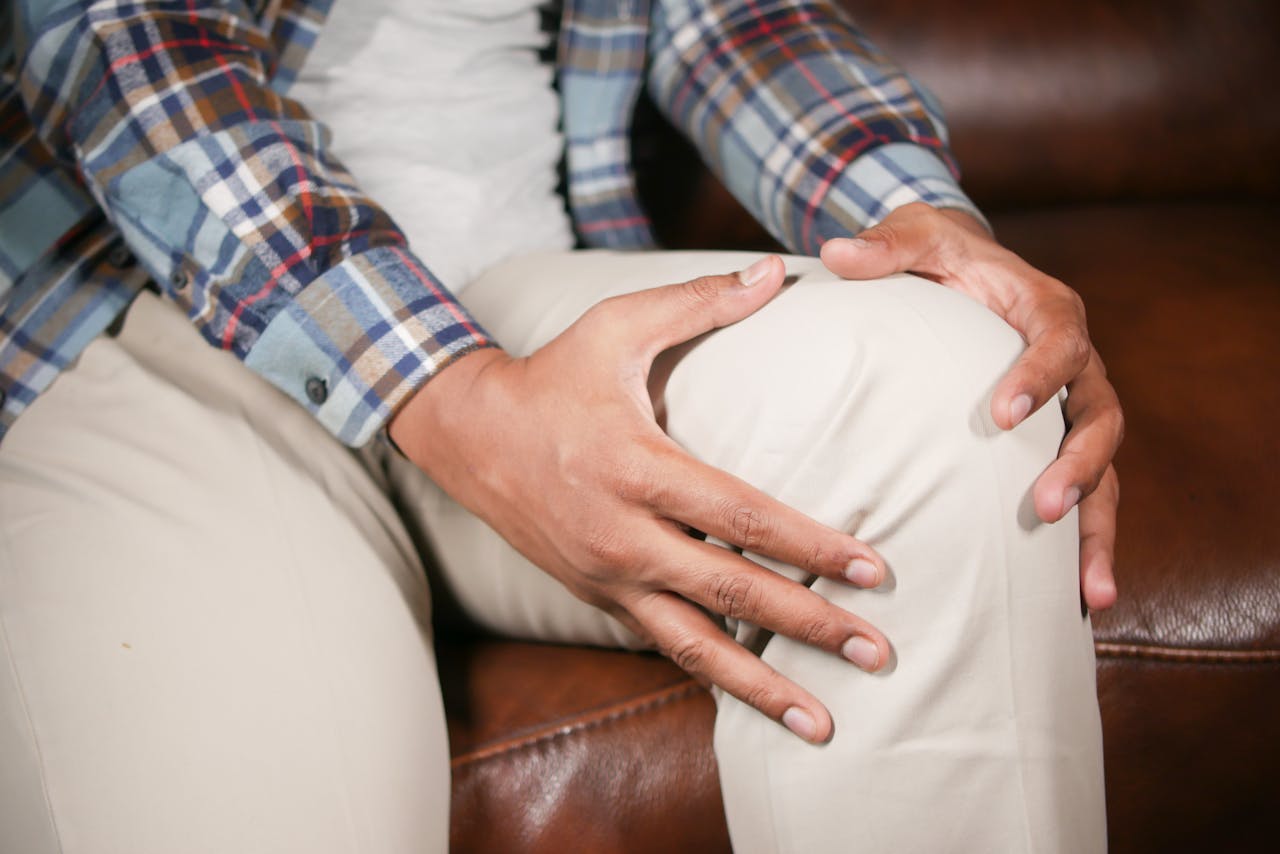
Many roofing professionals experience knee discomfort after years on the job. Repeated strain, awkward positions, and constant pressure on the joints can eventually lead to injuries that impact mobility and productivity. One of the most common issues roofers face is a soft tissue knee injury, which can develop gradually from repetitive strain or occur suddenly during a slip, fall, or misstep.
Understanding how these injuries happen and how to prevent them can help roofing professionals stay healthy and extend their careers.
Why Roofing Work Is Tough on the Knees
The knee joint is responsible for supporting body weight, absorbing impact, and enabling movement such as bending, climbing, and balancing. Roofing work constantly engages these functions.
Several aspects of roofing put additional strain on the knees:
Frequent Kneeling
Roofers often kneel for long periods while installing shingles, flashing, and other materials. This constant pressure can irritate the soft tissues surrounding the knee joint.
Climbing Ladders
Repeatedly climbing ladders places stress on the knees as the joints absorb the body’s weight during each step.
Steep Roof Slopes
Working on angled surfaces requires the body to stabilize itself constantly. This can strain the muscles and ligaments around the knees.
Heavy Lifting
Carrying bundles of shingles or equipment adds additional force to the joints.
Over time, these factors can lead to inflammation, soreness, and more serious injuries.
Common Knee Injuries Roofers Experience
Roofers may experience several types of knee injuries depending on the type of strain or accident involved.
Ligament Strains
Ligaments help stabilize the knee joint. Sudden twisting motions or awkward landings can stretch or tear these tissues.
Tendon Irritation
Tendons connect muscles to bones and help control movement. Repetitive bending and kneeling can cause inflammation in these structures.
Meniscus Injuries
The meniscus is cartilage that cushions the knee joint. Twisting the knee while carrying weight can damage this cartilage.
Bursitis
Bursae are small fluid-filled sacs that cushion joints. Constant kneeling can irritate these sacs, causing swelling and pain.
Many of these injuries begin as mild discomfort but can worsen if ignored.
Warning Signs of a Knee Injury
Knee problems often start gradually. Many roofers initially assume the soreness is just part of the job. However, certain symptoms may indicate a developing injury.
Common warning signs include:
- Pain when kneeling or climbing
- Swelling around the knee joint
- Stiffness after long workdays
- Difficulty bending or straightening the knee
- A feeling of instability while walking
Recognizing these signs early can prevent minor issues from becoming long-term injuries.
Preventing Knee Injuries on the Job
Roofing professionals can take several steps to reduce strain on their knees and protect their joints during work.
Use High-Quality Knee Pads
Proper knee protection reduces direct pressure on the joint when kneeling. Cushioned knee pads distribute weight more evenly.
Maintain Proper Footwear
Shoes with good grip and support improve balance and reduce the risk of slips that can strain the knee.
Use Proper Lifting Techniques
Lifting materials with the legs rather than the back helps distribute force more safely.
Take Breaks When Possible
Short breaks allow muscles and joints to recover from repetitive stress.
Strengthen Supporting Muscles
Strong leg muscles help stabilize the knee joint and absorb impact.
The Role of Strength and Conditioning
Conditioning plays an important role in preventing injuries for roofing professionals. Exercises that strengthen the legs, hips, and core help support the knees during physical work.
Key muscle groups that protect the knees include:
- Quadriceps
- Hamstrings
- Glutes
- Core muscles
Stretching is also important because tight muscles can increase pressure on the knee joint.
Many workers find that incorporating basic strength and flexibility routines outside of work significantly reduces joint discomfort.
When Roofers Should Seek Medical Attention
Occasional soreness after a long workday is common in physically demanding professions. However, persistent pain should not be ignored.
Roofers should consider seeking medical evaluation if they experience:
- Swelling that does not improve
- Sharp pain during movement
- Difficulty walking or bearing weight
- Locking or clicking sensations in the knee
- Pain that continues for several days
Early treatment can prevent small injuries from becoming more severe and requiring extended time away from work.
Protecting Your Health for a Long Career
Roofing requires skill, endurance, and physical strength. Protecting the joints that make this work possible is essential for long-term success in the trade.
By using proper protective equipment, strengthening the body, and addressing discomfort early, roofing professionals can reduce their risk of serious knee injuries. Taking care of your body not only improves safety but also ensures that you can continue working confidently and efficiently for many years.
Healthy knees mean greater mobility, better job performance, and a longer career in one of the most important trades in the construction industry.