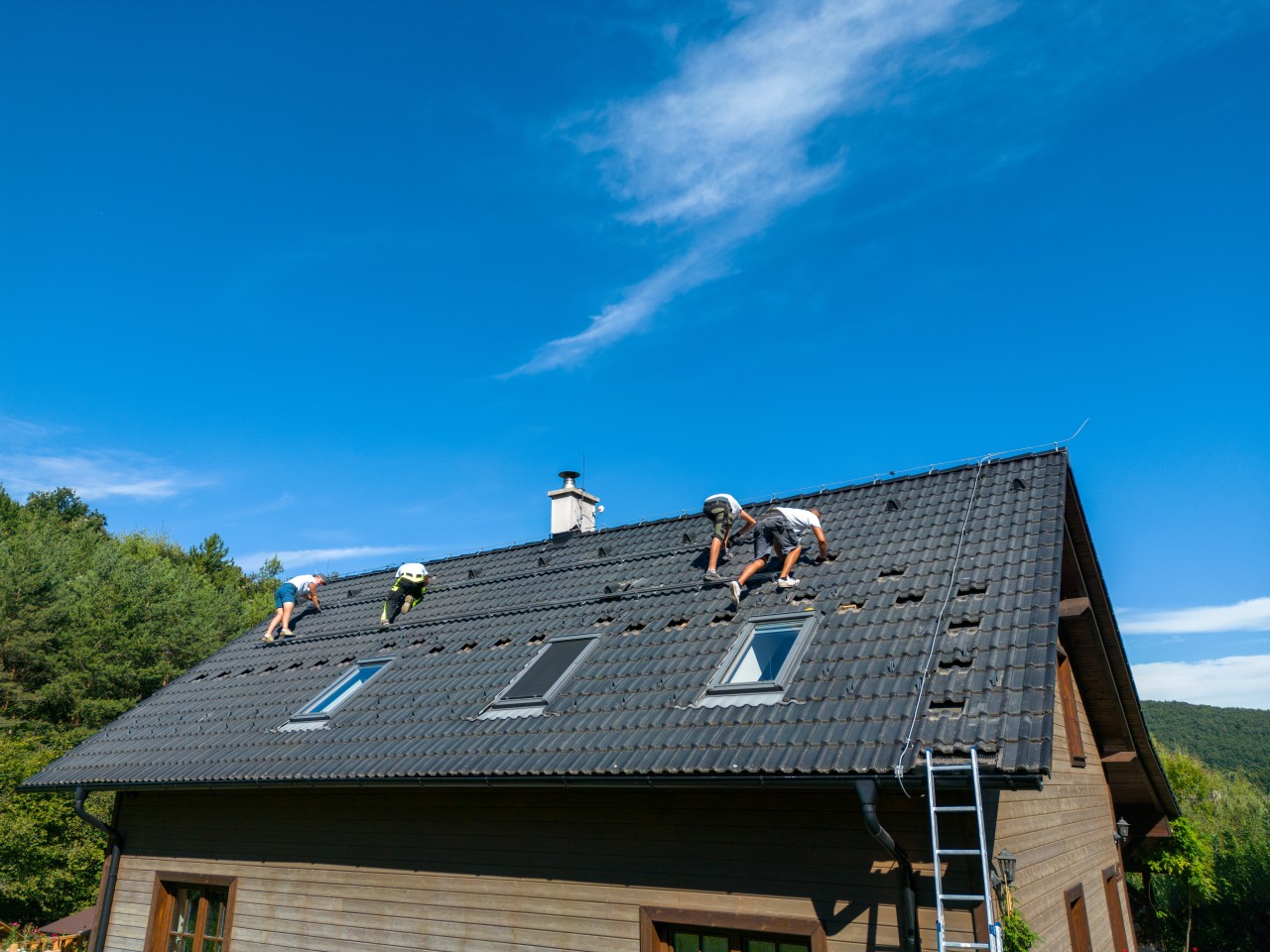
Roof damage can sneak up slowly—through minor leaks, missing shingles, or weather-related wear—or hit all at once with a severe storm. When it happens, one question always follows: Should you repair the roof or replace it entirely? The right answer depends on more than just the visible damage. Factors like roof age, material type, budget, and risk of recurring issues all play a role in the decision.
This guide breaks down the key considerations to help you determine whether repair or replacement is the smarter move for your situation.
Start With a Professional Inspection
Before jumping to conclusions, it’s important to get a full assessment of your roof’s condition. A thorough inspection can identify not just surface-level issues but deeper structural damage that may not be visible from the ground.
If you’re dealing with localized issues like flashing damage, small leaks, or a handful of missing shingles, it’s often possible to move forward with a roof repair service in Seattle instead of replacing the whole system.
When Roof Repair Makes More Sense
Repairs are generally the best option when damage is minor, isolated, or limited to a specific area. A well-executed repair can extend the life of your roof and restore performance without the cost and disruption of a full replacement.
Common Signs You Can Repair Instead of Replace:
- Minor leaks limited to one spot, often near chimneys, vents, or skylights
- Missing or cracked shingles in a few areas without significant granule loss
- Small sections of flashing damage where water intrusion has begun but not spread
- Gutter-related overflow issues that are affecting roofing edges but haven’t compromised the core
Repair Benefits:
- Faster turnaround time (often same-day or next-day service)
- Less expensive upfront compared to full replacement
- Lower disruption to household routines
- Retains more of your home’s existing materials and structure
However, even when repair is possible, it’s important to ensure it’s done with long-term quality in mind—not just a temporary patch. Seattle Roof Systems offers detailed roof assessments that help homeowners understand the full scope of their roof’s condition before deciding on repairs or replacements.
When It’s Time to Replace the Roof Entirely
There are cases where repair simply delays the inevitable—and continuing to patch problem areas results in higher costs over time. If your roof is nearing the end of its usable life or has widespread issues, replacement is typically more cost-effective in the long run.
Signs Your Roof Likely Needs Replacement:
| Indicator | What It Means |
| Roof age 20–30+ years | Most asphalt roofs max out around 25 years with good maintenance |
| Widespread granule loss | Shingles are losing UV protection and water resistance |
| Recurring leaks | Patching no longer prevents moisture intrusion |
| Sagging or soft decking | Underlying structure is compromised |
| Moss growth or rotting spots | Moisture has likely penetrated deeper layers |
| Storm damage to multiple sections | Insurance may cover replacement if large-scale damage is present |
If more than 25–30% of your roof is damaged or deteriorating, replacement is almost always the better financial and structural choice.
Budget and Insurance Considerations
Cost is a major factor in deciding between repair and replacement—but context matters. A repair may be cheaper today, but if it leads to repeat service calls or increased damage to interior structures, it may not be the most cost-effective path.
Roof Repair vs. Replacement Cost Factors:
- Repair:
- Typically less expensive
- Best for small-scale issues
- Minimal labor and material cost
- Replacement:
- Higher initial cost
- Includes tear-off, disposal, new underlayment, and materials
- May increase property value and energy efficiency
If storm damage is involved, check your homeowner’s insurance. Coverage may apply for replacement if damage was sudden, extensive, and meets policy conditions. An experienced roofing company can help document findings for claims.
Material Lifespan: Know What You’re Working With
Different roofing materials have very different lifespans. Knowing what your current roof is made of—and how old it is—can help guide your decision:
| Material | Typical Lifespan |
| Asphalt Shingles | 20–30 years |
| Architectural Shingles | 30–40 years |
| Metal Roofing | 40–70 years |
| Tile Roofing | 50–100 years |
| Wood Shake | 25–35 years (with high maintenance) |
If your current roof is close to or past these ranges, it’s usually more practical to replace rather than repair.
Other Factors to Consider
A few more elements that can influence your choice:
- Future plans: If you plan to sell your home within 5 years, a new roof can increase resale value and speed up the sale process.
- Energy efficiency: Older roofs often lack proper ventilation and insulation. New roofing systems can improve your home’s thermal performance.
- Aesthetics: If your roof is visibly aging or patchy, replacement improves curb appeal and property value.
- Warranty coverage: Many new roofs come with transferable warranties that add peace of mind.
Final Thoughts
Deciding between roof repair and full replacement comes down to understanding the current condition of your roof, the scale of the problem, and your long-term goals. Small, isolated issues can often be fixed affordably and effectively. But if your roof is aging or showing widespread damage, replacement is the better investment.